
A small but ambitious community theatre troupe has captured the imagination of locals and critics alike by staging one of William Shakespeare’s most enduring plays with a bold, futuristic spin. The production, held at a modest yet bustling arts centre, is making waves not only for its reinterpretation of the Bard’s work but for its inventive approach to set design, costumes, and thematic presentation. Scheduled to run for two weeks, the show has already generated significant anticipation within the culture and arts scene.
What sets this production apart is its imaginative merging of Shakespearean dialogue with the visual iconography of science fiction. Director Amelia Grant, known for her experimental style, explained her vision: “We wanted to explore how the universal themes of love, power, and ambition translate into a setting that’s both familiar and completely new. The future—particularly with the technological advances we imagine—offers an evocative stage for these age-old conflicts.”
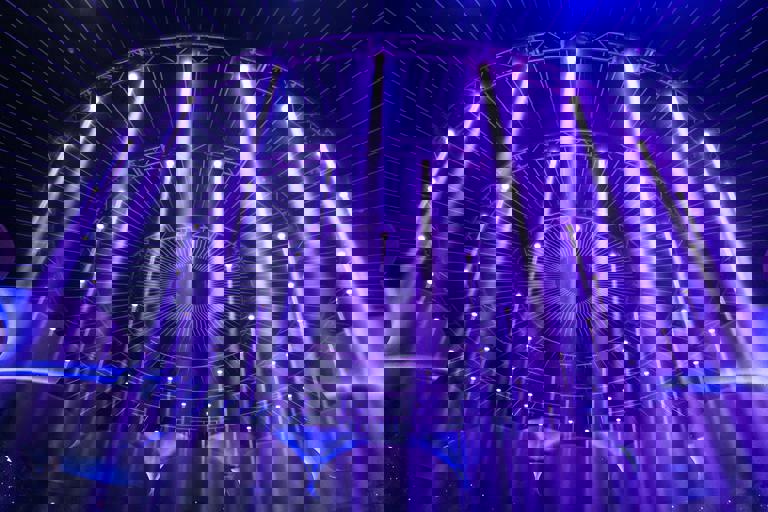
Grant and her team have reworked the classic’s setting, transporting audiences centuries ahead into a high-tech metropolis. Neon-lit backdrops, holographic projections, and pulsating electronic soundscapes replace the traditional Elizabethan scenery. Costume designer Priya Singh crafted outfits inspired by futuristic fashion—complete with metallic fabrics and programmable LEDs—aiming to visually express the tension between tradition and progress that lies at the heart of the performance.
Actors embraced the challenge enthusiastically, learning not only their lines but also new physical routines to interact convincingly with digital props and virtual scenery. Nathan Reeves, who plays the lead, commented, “Adapting to a world of holograms and simulated gravity was daunting at first, but ultimately exhilarating. It pushed us to find fresh emotional truths and pushed the audience to see these characters in a whole new light.” The integration of technology required weeks of rehearsal, underlining the production's commitment to innovation.
Audience reactions have been overwhelmingly positive, with many praising the refreshing energy and creativity infused into the timeless text. Theatre critic Sophie McCarthy wrote in The Chronicle, “The spectacle never overshadows the story. Instead, the sci-fi elements frame Shakespeare’s language in a way that feels immediate and urgent for today’s audiences.” For some, the juxtaposition reaffirmed the continued relevance of Shakespeare’s insights into human nature, even in imagined futures.
The creative team also used the opportunity to probe contemporary social issues through their interpretation. The utopian veneer of the futuristic world begins to crack as the plot unfolds, revealing debates about identity, surveillance, and environmental decline. “We wanted the audience to draw parallels with our own society,” said Grant, “so we incorporated elements like AI-driven authority figures and digital divides to spark reflection amid the entertainment.”
Engagement with the production has extended beyond the stage, as local schools have partnered with the troupe to discuss both Shakespeare’s original texts and their new interpretation. Workshops explore themes of adaptation and the enduring nature of storytelling, inspiring students to approach classics from multiple perspectives. Drama teacher Louise Carter observed, “This project makes Shakespeare accessible—it shows that his work can be enjoyed, debated, and reinvented without losing its essence.”
As the final shows approach, tickets remain in high demand, and the theatre is considering an extended run or a regional tour. The success of this innovative production signals a broader appetite for creative risk within the local arts community. By uniting classic literature with vivid technological imagination, the troupe has demonstrated that time-honoured works can thrive and inspire when given fresh context—a testament to the ever-evolving landscape of British theatre.