
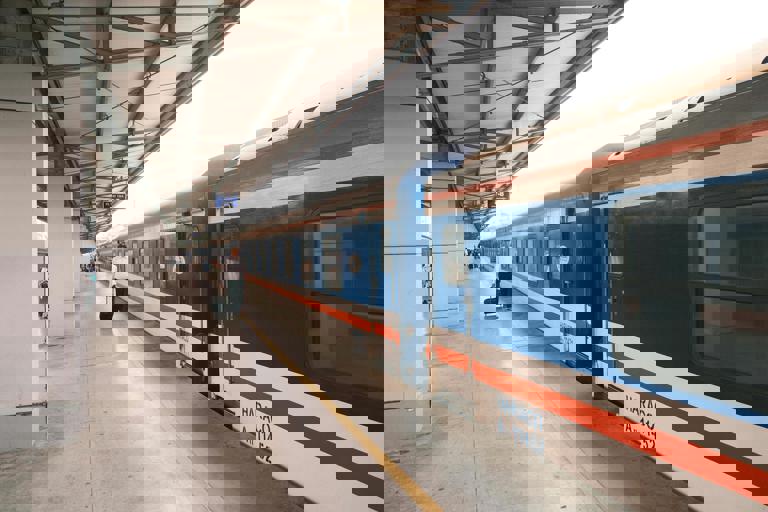
Commuters across Great Britain woke to a rude shock this Monday as they discovered train fares had surged overnight, part of a previously unannounced overhaul of rail pricing structures. The increase, described by many as "sudden and steep," left thousands of morning rush-hour travellers paying significantly more than they had just days before. Many passengers, expecting their usual journey costs, were caught off guard by the unexpected hike, scrambling to cover the difference at ticket barriers.
The government’s new policy on rail fare pricing was quietly introduced over the weekend, bypassing customary periods of consultation and advance notice. Transport officials announced the overhaul was intended to 'modernise train fare systems and optimise funding for the rail network.' However, critics argue the move lacks adequate public engagement and transparency, raising widespread concerns about accountability and the motives behind the dramatic shift in pricing.
Officials from the Department for Transport justified the changes by referencing the need for increased investment in railway infrastructure and services. In a statement, a spokesperson said, "The new fare structure reflects present-day costs of maintaining and modernising our railways, ensuring long-term sustainability." However, commuters argue that the timing and scale of the increase are unreasonable, especially in the current climate of cost-of-living pressures affecting millions.
Passenger advocacy groups have been quick to voice outrage over both the method and the impact of the fare hike. The Campaign for Better Transport labelled the rollout as "a blow to millions who rely on public transport." Spokesperson Daisy Bellamy told reporters, "Rather than making rail travel more accessible, this policy risks alienating the very people who depend on these services for work and daily life."
Statistics released by the Office of Rail and Road indicate the average increase for peak-time tickets is around 8%, but certain popular routes have seen spikes as high as 15%. For regular commuters on routes such as London to Manchester or Birmingham, the cumulative effect of this rise could mean hundreds of pounds in additional costs over the course of a year. This raises particular concerns for low- and middle-income workers who often have limited transportation alternatives.
Transport unions have also weighed in, warning of potential knock-on effects for both staff and service quality. Mick Lynch, general secretary of the RMT union, commented, "Hitting commuters in the pocket will not resolve the historic underinvestment in our railways. Instead, it risks deterring ridership, leading to reduced revenues and potentially placing jobs and services at further risk." Many union members report facing direct backlash from frustrated travellers at stations.
Business groups have joined the chorus of criticism, predicting the fare hike will deter workers from using public transport, which could in turn exacerbate traffic congestion and air pollution. John Masters, spokesperson for the British Chambers of Commerce, said, "A functional and affordable rail network is vital for the country’s productivity. These price hikes could have a chilling effect on regional economies and workforce mobility if not quickly reviewed and reversed."
In response to the controversy, the Transport Secretary pledged an urgent review of the rollout process but stopped short of promising any immediate price reductions. "We recognise the concerns raised by commuters and are committed to reassessing the fairness and implementation of these changes," the Secretary stated in an evening press briefing. However, calls for a full rollback of the new fares continue to mount from opposition MPs and campaigners alike.
With frustration mounting, commuters have organised online petitions, and several planned demonstrations at major stations are expected in the coming days. Social media channels are abuzz with users sharing their experiences and cost comparisons, adding momentum to demands for transparency and reform. As public dissatisfaction grows, both government and rail operators are under increasing pressure to communicate more openly about the rationale and long-term impact of fare decisions.